How Mikali Keeps Baby Gear in Circulation and Scales Omnichannel Growth with BigSeller
Erra30 Apr 2026 01:55ENCopy link & title
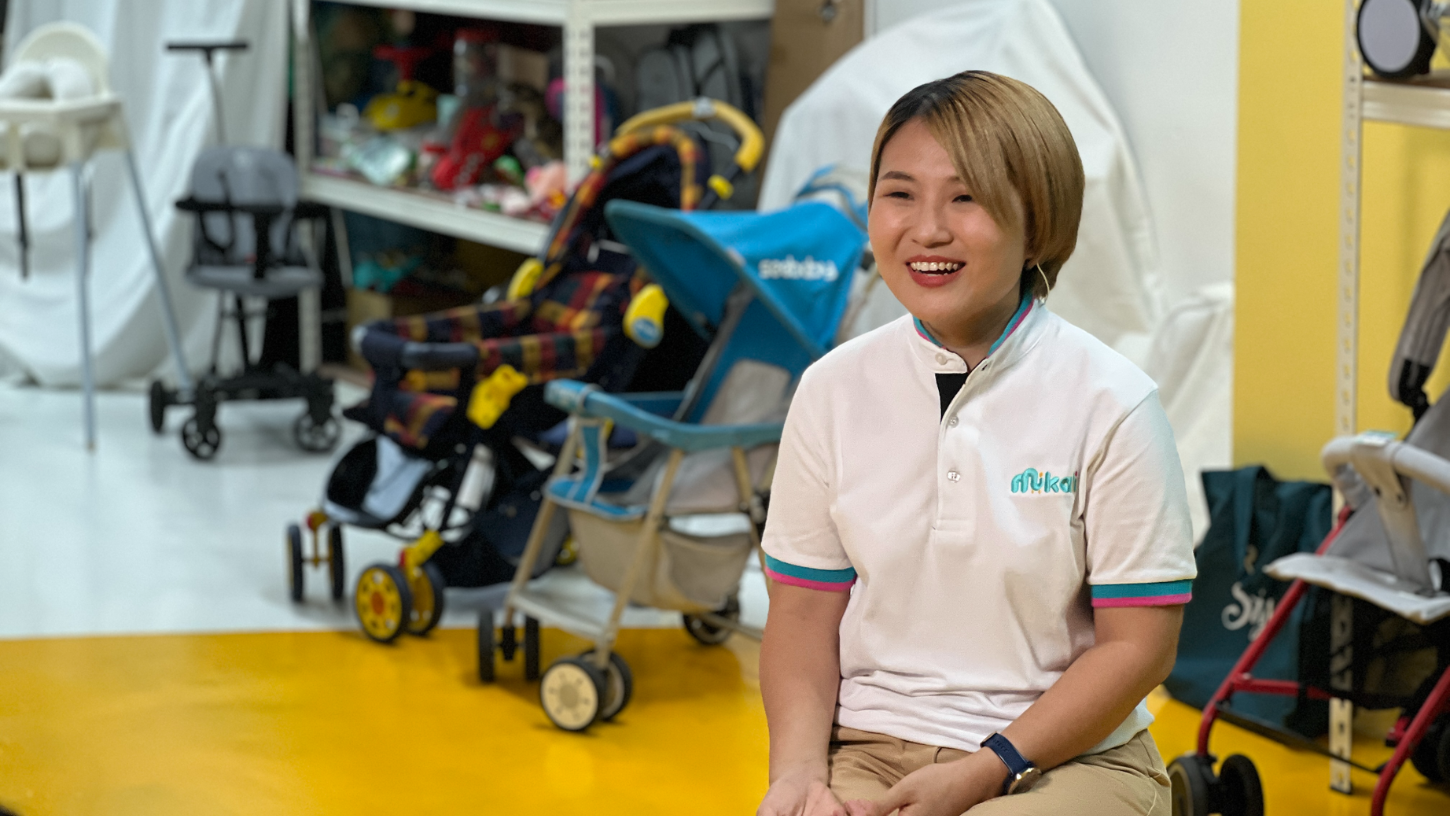
After becoming a parent, Kaily quickly noticed a pattern. Baby products such as strollers, car seats, and high chairs are expensive and safety-critical, yet most families use them for only two or three years. Many items end up stored away or discarded, while other new parents are searching for safer, more affordable ways to buy quality baby gear.
The hard part was never just the transaction. It was trust. Is a pre-owned car seat still safe? Has the stroller brake been checked? Is the condition described by the seller accurate? In the baby and maternity category, customers are not simply buying a product. They are buying confidence in something connected to their child's safety.
In 2015, Kaily founded Mikali to create a trusted circular-commerce platform for baby and maternity products. What began with pre-loved baby gear has grown into a Malaysian baby and maternity brand spanning new product sales, sustainability-focused services, a community of mothers, offline retail, and a developing distribution network.
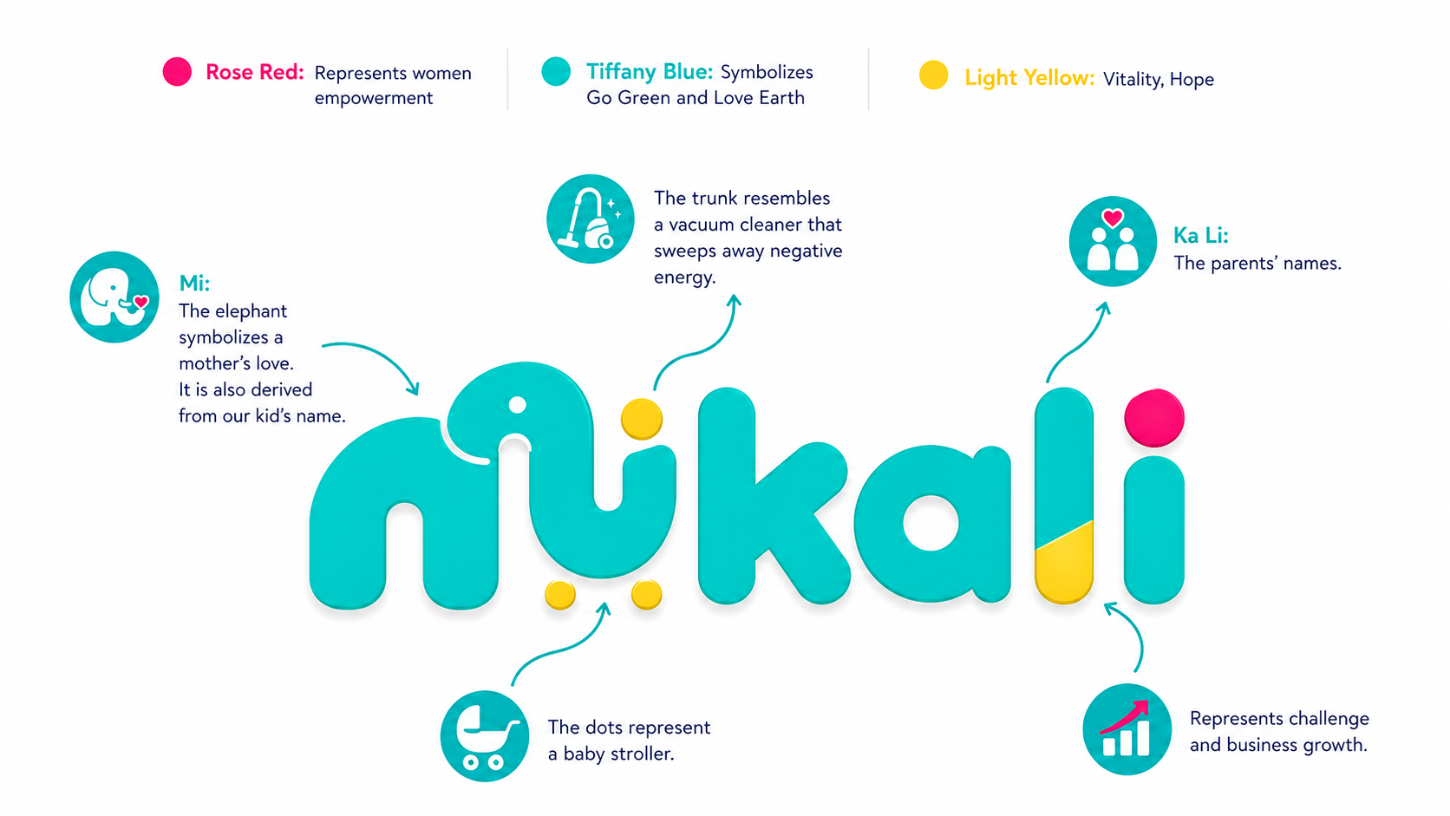
Mikali's brand identity carries that same intention. The "Mi" in the logo is connected to motherly love, while "Ka Li" comes from the parents' names. Tiffany Blue represents care for the environment, Rose Red represents women's empowerment, and Light Yellow represents vitality and hope. Mikali is not simply reselling unused items. It is helping valuable baby products be inspected, trusted, and put back into use.
When Trust Is the Business, Operations Cannot Stay Manual
Over the years, Mikali has grown from a niche pre-loved baby gear platform into a multi-channel baby and maternity brand. Today, the business operates across Shopee, Lazada, TikTok Shop, its own website, offline retail, and an expanding distributor network.
That structure creates more growth opportunities, but it also creates more operational complexity. Online, each marketplace has its own rules for orders, inventory, promotions, fulfilment, and after-sales. Offline, the physical store is not just a sales channel. It is a trust touchpoint where parents can inspect product condition, test stroller mechanisms, and check safety details before buying.
For Mikali, many pre-loved items are one-of-a-kind SKUs. If a stroller is listed on Shopee, Lazada, and the Mikali website while also being available in-store, a delayed stock update can lead to the same item being sold twice. That is more than a refund issue. It can damage the trust Mikali has spent years building.
As Mikali develops its distributor network as a supplier, the same challenge becomes broader. More partners mean more product flows, more stock visibility needs, and more settlement relationships. Kaily understood that the next stage of growth could not be built on more manual work and more spreadsheets. The operating foundation had to become stronger first.
Why BigSeller: Easy Enough to Adopt, Strong Enough to Scale
Mikali discovered BigSeller through a recommendation within Malaysia's ecommerce community.
For a founder-led brand with a lean team, the value of an ERP system is not only the number of features it offers. The system has to be easy for staff to learn, practical enough for daily use, and strong enough to support growth without creating a new operational burden.
BigSeller is built for Southeast Asian ecommerce sellers, enabling centralised management of orders, inventory, products, and business data across Shopee, Lazada, TikTok Shop, and 20+ platforms. For Mikali, the core value was clear: information that used to sit across different platforms, stores, and workflows could now be managed through one operating system.
The system is simple and intuitive. Employees can learn it quickly, which reduces training complexity and operational burden.
- Kaily, Founder of Mikali
Inventory Accuracy Is the First Line of Trust
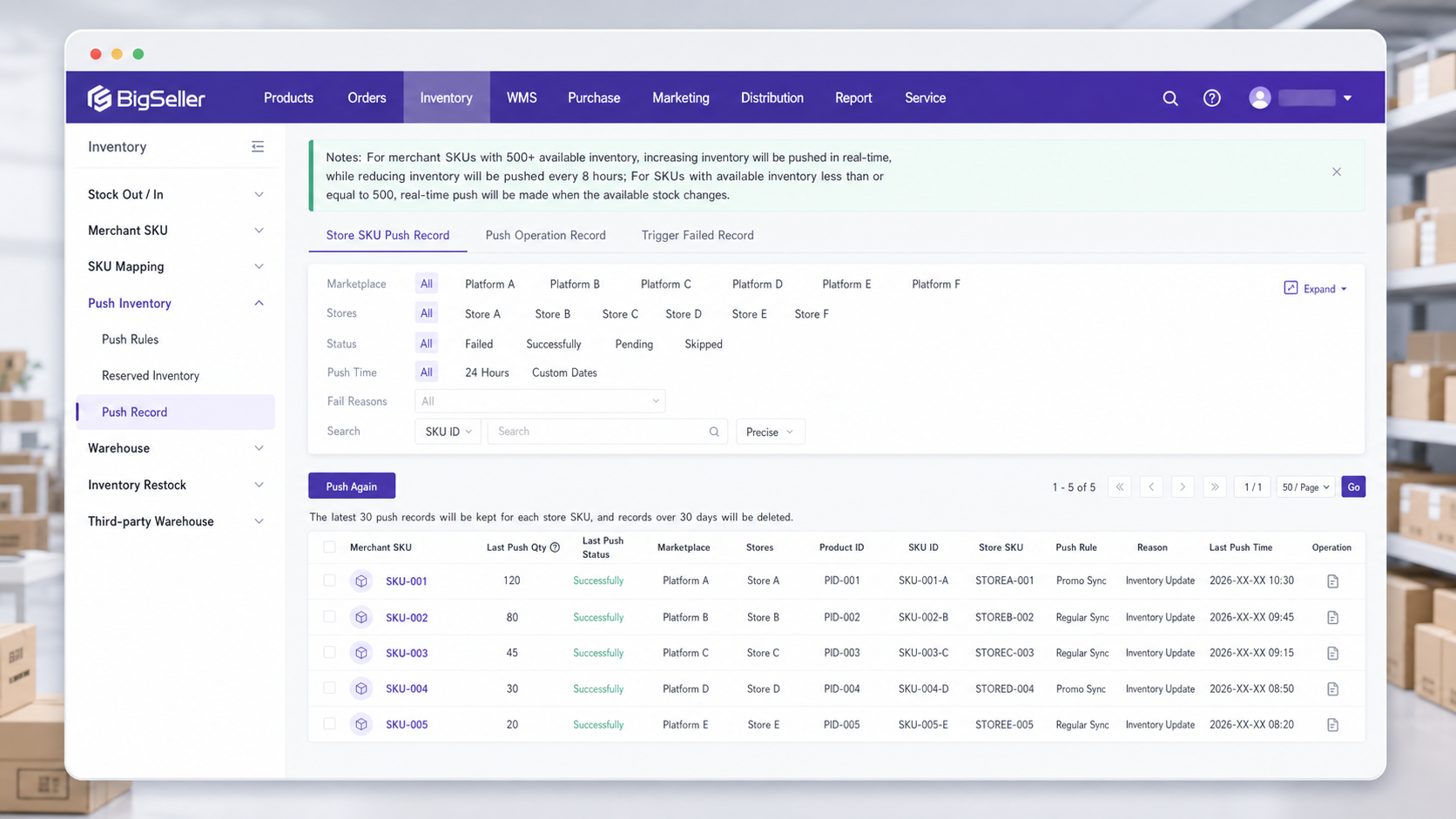
For Mikali, inventory sync is not just a back-office function. It is part of the customer promise.
Many of Mikali's pre-loved products cannot simply be replenished. Once an inspected item is listed, it may appear across multiple online channels and also be available for in-store purchase. BigSeller helps Mikali connect inventory across online platforms, offline retail, and warehouse records. When a sale happens in one channel, stock updates can be pushed to other channels in time, reducing duplicate sales and missed manual updates.
For example, after Mikali receives and inspects a well-maintained stroller, the team can sync the product to multiple channels through BigSeller. When a buyer places an order on Shopee, inventory changes are pushed to the other channels. The team does not need to log in to every marketplace manually, and customers are less likely to face an awkward cancellation caused by overselling.
The impact is simple but important: customers see more reliable stock, while the team reduces errors and protects brand trust.
More Channels Should Not Mean More Browser Windows
As TikTok Shop, Shopee, and Lazada continue to shape ecommerce growth in Southeast Asia, customer journeys are becoming more fragmented. A parent may discover a product on TikTok Shop, compare prices on Shopee, search for the brand on Lazada, and then visit Mikali's own website for more information.
More channels mean more orders in more places. In the early stage, the team could still switch between dashboards to check orders, confirm stock, print labels, and follow up logistics. But during campaigns, livestream conversions, and new product pushes, manual switching quickly becomes a bottleneck.
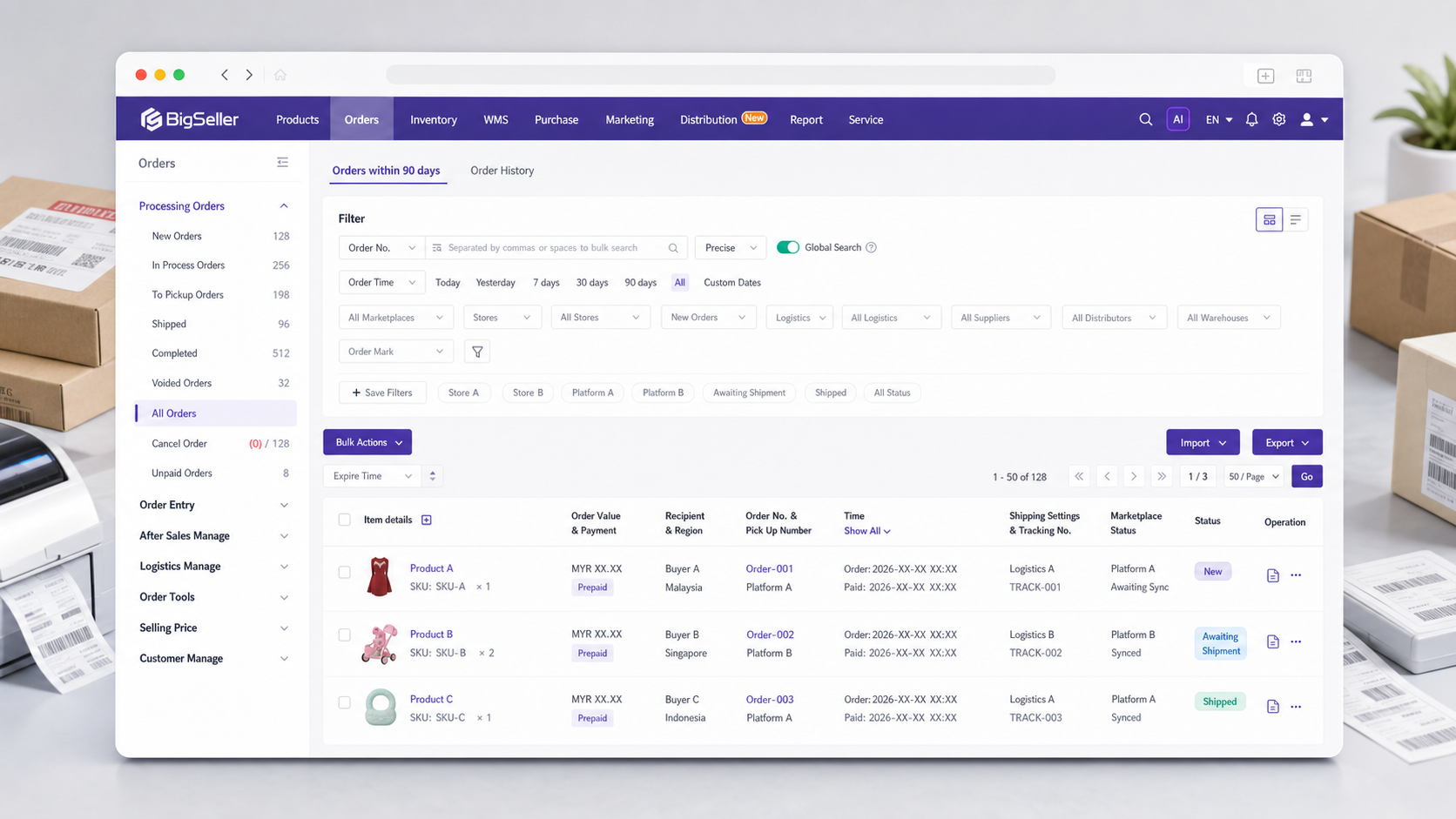
BigSeller's unified order management allows Mikali to process orders from multiple platforms in one place. Order sync, batch label printing, exception alerts, and logistics tracking are centralised, helping the team fulfil orders with a more consistent rhythm.
When Mikali runs promotions on Shopee and TikTok Shop at the same time, incoming orders can flow into one BigSeller queue. Staff can review pending orders, print labels in batches, organise picking waves, and track exceptions before they become fulfilment delays.
The same unified view also improves management decisions. Which platform is driving volume? Which SKUs are profitable? Which promotions sell more but earn less after commissions and discounts? These are questions that require cross-platform visibility.
Offline Retail Is a Trust Channel, Not a Burden
In many businesses, offline retail is an add-on to ecommerce. For Mikali, the store is part of the product experience.
Parents buying pre-loved baby gear often want to inspect the item in person. Photos and descriptions cannot fully replace checking a car seat, folding a stroller, or seeing the real condition of an item. The store makes Mikali's inspection standards visible.
The risk comes when in-store sales are not connected to online inventory. If the team has to manually remove a sold item from every marketplace, one missed update can leave an already-sold product available online.
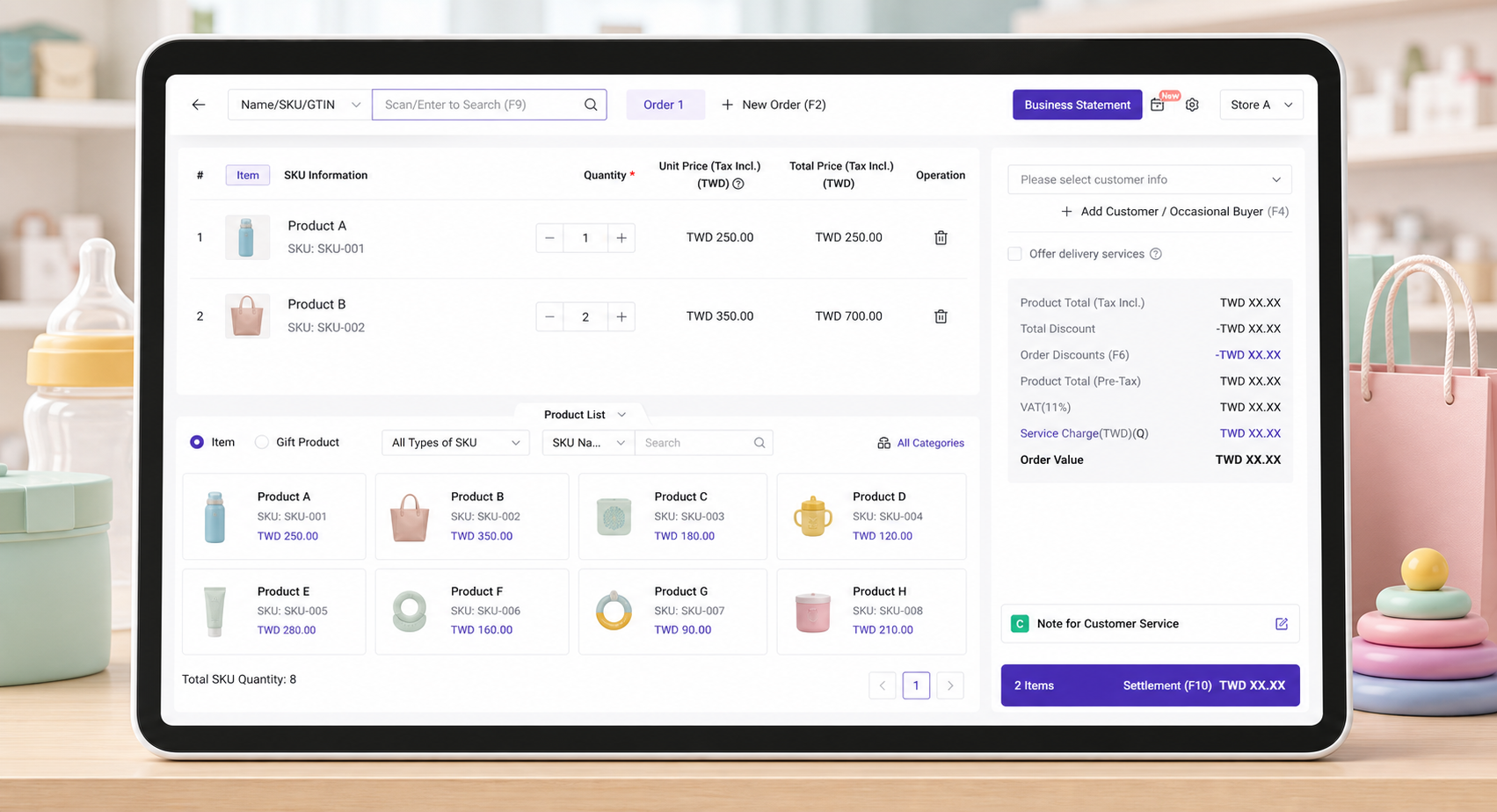
BigSeller POS helps Mikali connect offline retail with online inventory. When staff complete a store transaction through BigSeller's POS-related workflow, sales data and stock changes can return to the system, keeping online and offline inventory aligned. Customer pricing, receipts, sales records, and revenue data can also be managed through the same flow.
In practice, a customer may visit the Mikali store to inspect a car seat first seen online. After confirming the condition and completing the purchase in-store, the stock update is reflected in the system, and the product is no longer available across online channels. The store becomes a trust advantage without adding unnecessary inventory risk.
Data Needs to Support Real Decisions
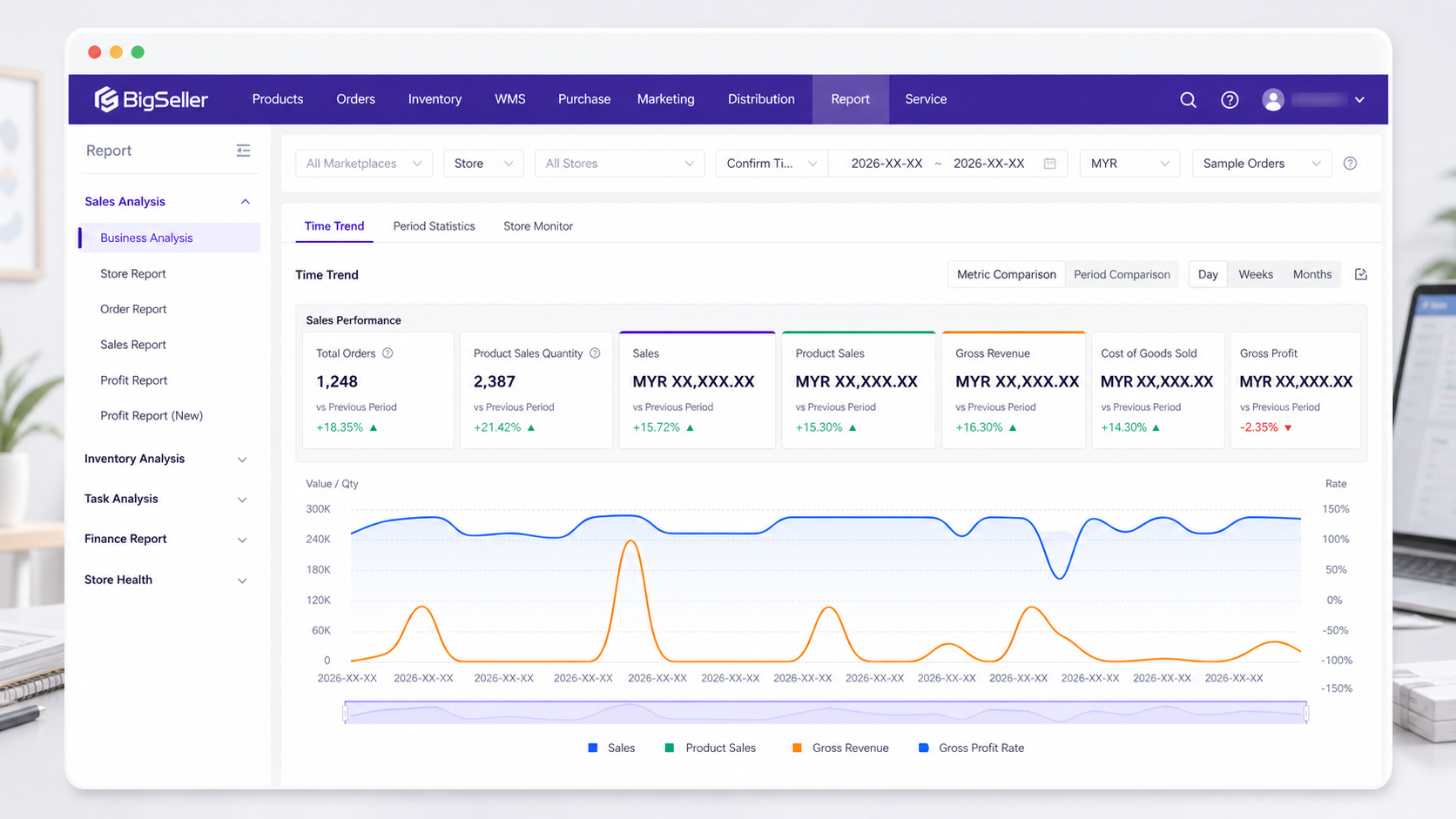
Mikali sells a mix of new products, pre-loved items, campaign bundles, and offline retail products. Each product type has a different cost and profit structure. A pre-loved stroller may sell quickly but still requires inspection and cleaning. A new accessory may perform well in bundles, but platform commissions, discounts, and logistics costs can affect true profit.
If the team only looks at sales revenue, it is easy to misread performance.
BigSeller's analytics and reporting help Mikali consolidate order, sales, SKU, and profit-related data across channels. The team can better understand how different platforms, products, and campaigns perform, then adjust sourcing, pricing, and restocking decisions accordingly.
For instance, certain pre-loved strollers may turn faster within a specific price range, while some campaigns may generate high order volume but limited margin after costs. Once those insights are centralised, data becomes part of day-to-day business judgment rather than a report reviewed after the fact.
The Next Stage: Building a Distributor Network on a Stronger Foundation
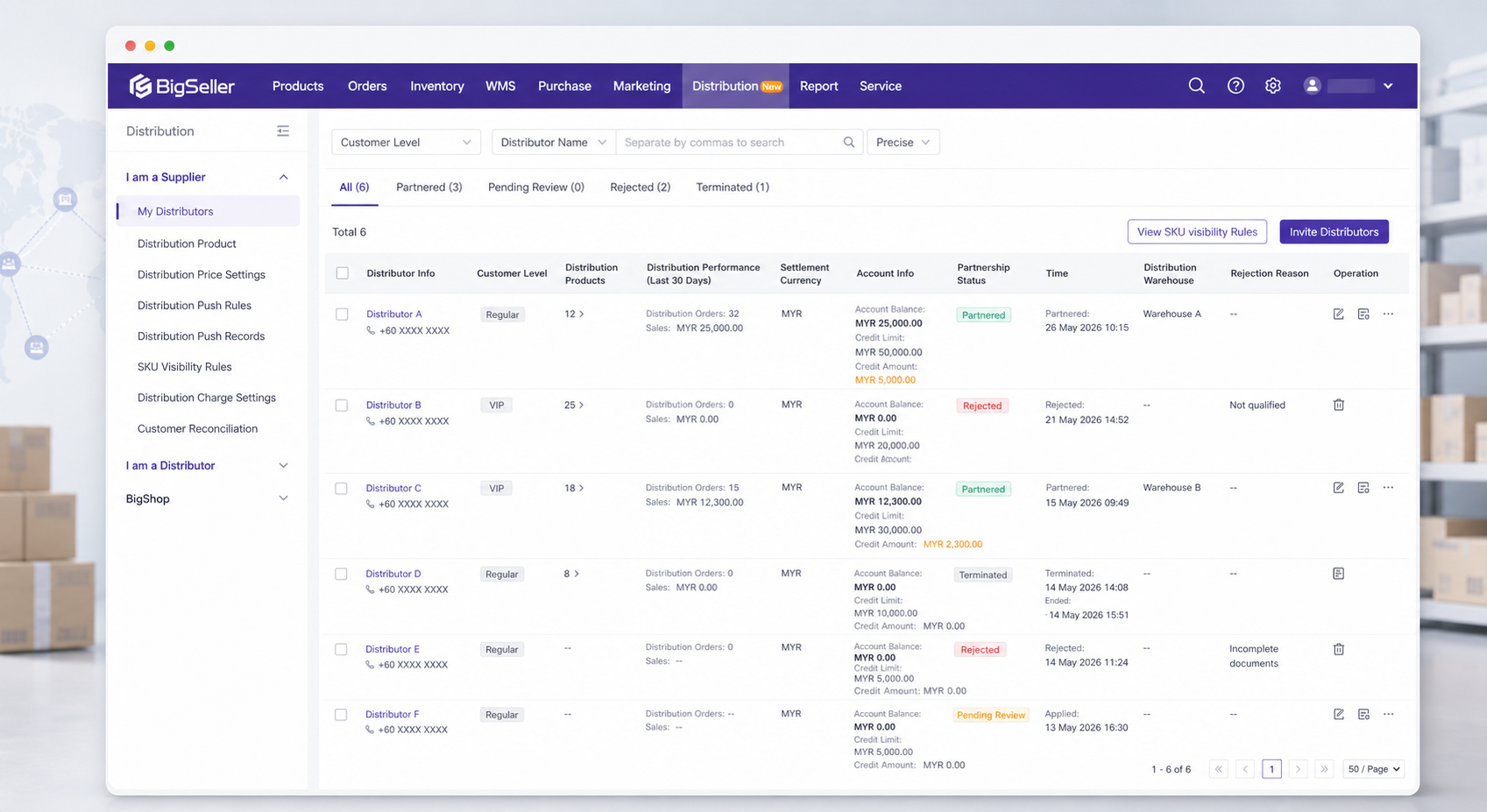
After connecting online marketplaces and offline retail, Mikali is preparing for a larger growth path: expanding its distributor network as a supplier.
Baby and maternity products are naturally suited for partner-led expansion. More retail partners, community channels, and distributors can help Mikali bring quality products and sustainable values to more families. But once distribution grows, operational complexity grows with it. Different partners may need different pricing rules, product visibility, inventory sync, order fulfilment, and settlement processes.
BigSeller's distribution capabilities provide a foundation for this next stage. Through supplier-distributor collaboration, BigSeller can support product selection, distributor pricing, inventory sync, order processing, and account reconciliation. For Mikali, the goal is not just to add another sales channel. It is to grow the network while keeping stock, fulfilment, and finance clear.
When Mikali moves from "selling better by itself" to "helping more partners sell better together," the system foundation has to come first.
Five Years Later, Growth Is Backed by Stronger Operations
After more than five years with BigSeller, Mikali has achieved +200% business growth, with annual GMV reaching seven-figure MYR scale. More importantly, the business has built the operational foundation needed to support multi-channel growth.
|
Business Area |
Before BigSeller |
After BigSeller |
|
Multi-platform orders |
Multiple dashboards, manual processing |
Centralised order sync and processing |
|
Inventory management |
Separate online and offline updates, high overselling risk for one-of-a-kind SKUs |
Cross-channel inventory sync, lower duplicate-sale risk |
|
Offline retail |
Manual online stock updates after in-store sales |
POS and inventory connected in one workflow |
|
Staff onboarding |
Processes relied heavily on experience |
Easier system adoption and smoother daily handover |
|
Business analysis |
Data scattered across platforms |
Sales, SKU, and profit visibility in one place |
|
Distribution expansion |
Distributor network under development, rising management complexity |
System foundation for pricing, inventory, orders, and settlement |
Mikali's growth shows that baby and maternity brands compete not only through marketing, but also through the operations behind the customer experience.
Customers trust Mikali because the brand takes every product, inspection, and in-store experience seriously. Mikali can serve more families because it has gradually built stronger order, inventory, retail, and data management capabilities.
For BigSeller, supporting brands like Mikali reflect the core value of the system: helping Southeast Asian sellers manage complex commerce through simpler, more connected operations.